

What Happens in the Brain When We Play the Piano?
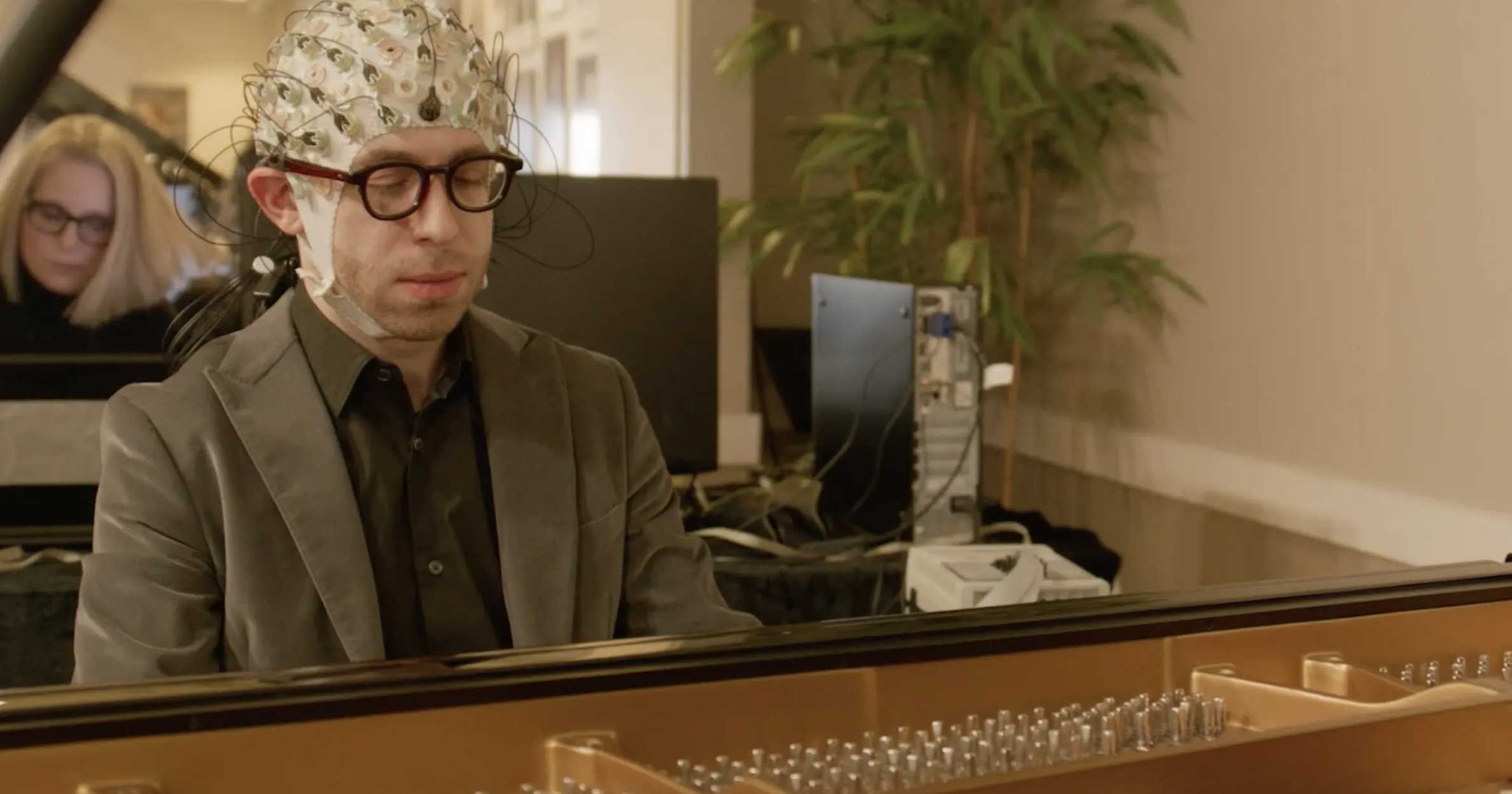
Steinway artist Nicolas Namoradze recording in an EEG cap.Credit...DDG, via Nicolas Namoradze
Recent research continues to confirm what musicians and teachers have long understood: playing music engages the brain in powerful and complex ways.
A recent New York Times article highlights pianist and researcher Nicolas Namoradze, who combines live piano performance with neuroscience technology to visualize brain activity in real time. During these “neurorecitals,” audiences can actually see how different types of music activate different parts of the brain.
What makes this especially compelling is how clearly it shows the connection between emotion, creativity, memory, and physical coordination in musical performance. Calm, lyrical passages may produce more focused patterns of activity, while technically demanding or dramatic music activates broader neural networks.
For students and teachers, this reinforces something we see every day:
learning the piano is not just about notes and technique — it is a whole-brain activity.
Playing the piano strengthens:
concentration and attention
memory and pattern recognition
emotional expression
coordination between both hands
listening skills
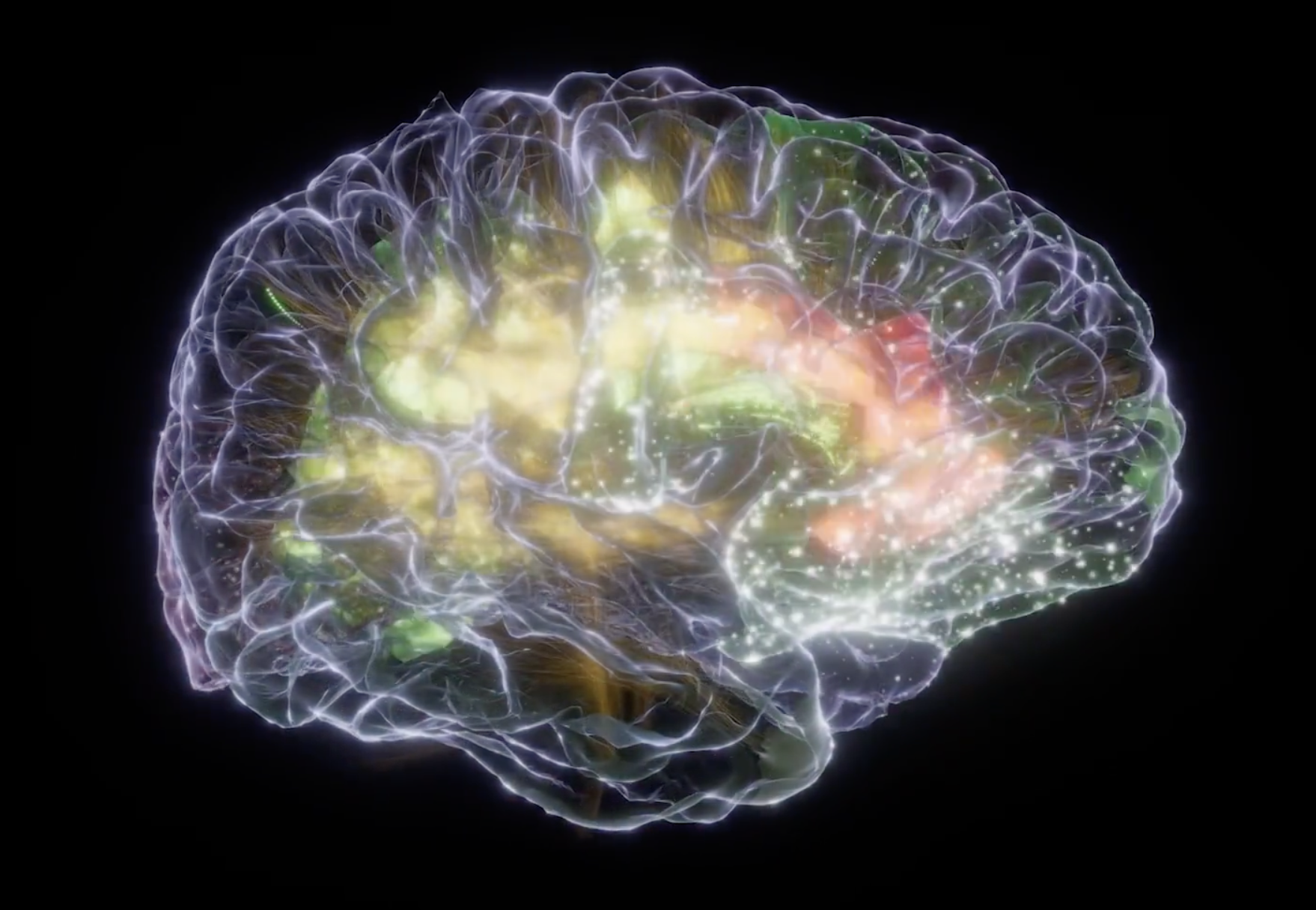
Screen capture DDG of pianist playing piano, via Nicolas Namoradze
Scientific studies increasingly show that music training supports cognitive development at any age, from young beginners to adult learners.
The combination of art and neuroscience in this performance project offers a powerful reminder that music is both deeply human and deeply biological. When we practice, perform, or even listen carefully, the brain is actively shaping the musical experience.
You can read the full article here:
https://www.nytimes.com/2026/02/10/arts/music/neuroscience-piano-nicolas-namoradze.html
At Piano Centre, we see this connection every day — music lessons are not just about learning an instrument, but about developing the mind, creativity, and confidence.
